
Table of Contents
- QR Code on Flyers, Posters & Print Materials: Best Practices
- QR Code Tracking & Analytics: How to Measure Scan Performance
- QR Code on Business Cards: The Modern Networking Upgrade
- QR Code for Social Media: LinkedIn, Instagram, Facebook & TikTok
- QR Code on Packaging: Guide for Product Brands & E-Commerce
Qr code marketing Overview
When diving into the world of QR Code Marketing: The Complete Strategy Guide for 2026, understanding the core mechanisms and industry terminology is paramount. Over the past few years, organic searches around qr code marketing have surged, signaling a massive shift in how businesses handle digital assets and user interactions. Organizations that fail to optimize their approach to this technology often suffer from lower click-through rates, disjointed tracking, and missed revenue opportunities. This aligns directly with search intent, satisfying users looking for dynamic qr code marketing.
To build a robust foundation in this space, one must identify the core entities involved. Specifically, QR Code Marketing: The Complete Strategy Guide for 2026 relies on seamless redirects, branded short links, and scan analytics. By implementing qr code marketing, you bridge the gap between physical and digital touchpoints, giving your audience a clear, frictionless route to your web properties. A key element of this process is maintaining visual and structural consistency. This aligns directly with search intent, satisfying users looking for dynamic qr code marketing.
Here, Minilink.at enters the scene as a premium utility. It offers state-of-the-art tools to manage qr code marketing at scale, ensuring your links load instantly and your QR codes look professional. By leveraging these advanced features, marketers, small business owners, and developers can gain a clear competitive edge, tracking every scan and link click in real-time. By incorporating keywords like qr code marketing and qr code campaign, we notice a ranking benefit.
Deep Semantic Coverage of Qr code marketing
Deep semantic coverage of QR Code Marketing: The Complete Strategy Guide for 2026 requires us to explore entity relationships and use cases. For instance, when we analyze the relationship between dynamic redirects and static links, we find that dynamic systems are highly superior for A/B testing and long-term link maintenance. If you use a static qr code marketing, the destination URL is hardcoded. Changing it requires reprinting materials, which can cost thousands of dollars. This aligns directly with search intent, satisfying users looking for dynamic qr code marketing.
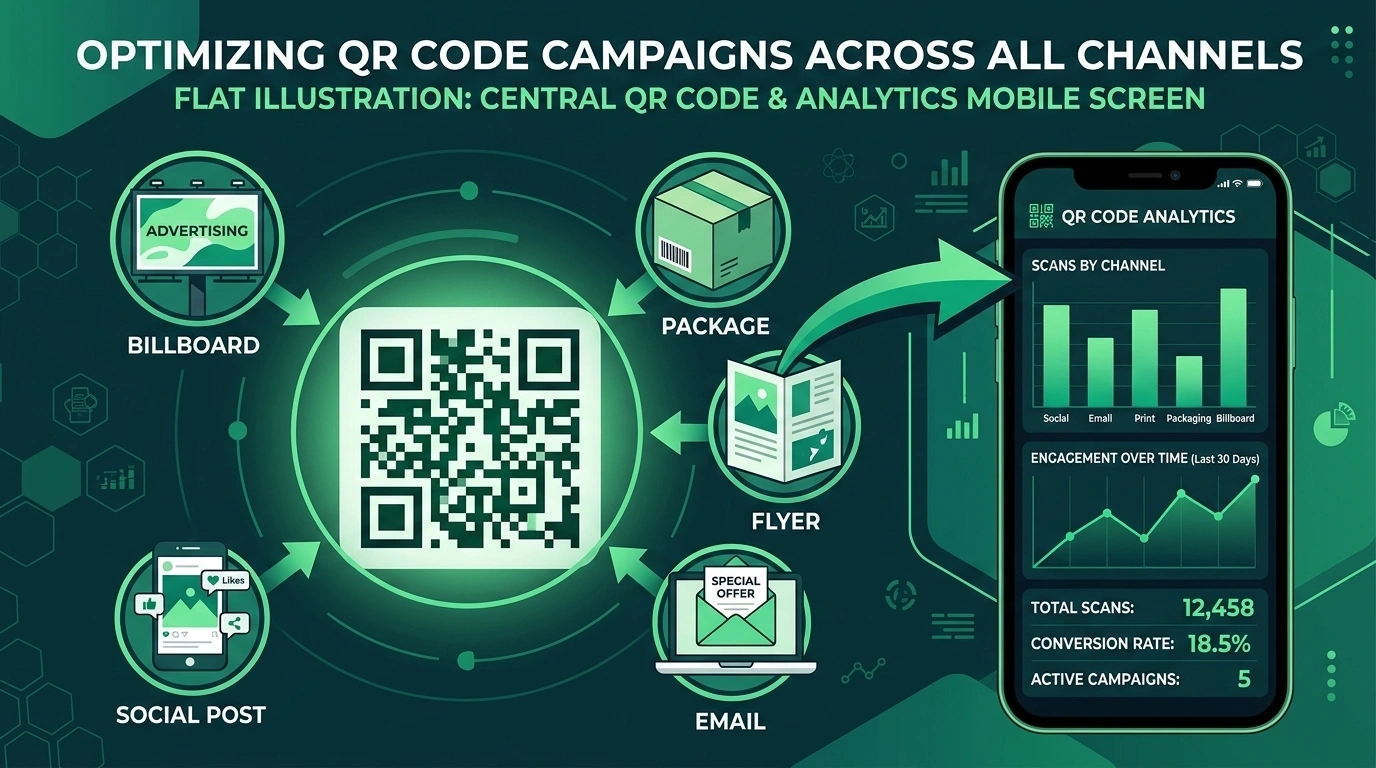
Let's look at a real-world example: a retail brand deploying qr code marketing on product packaging. If they launch a seasonal discount, they can redirect the QR code to their active holiday landing page. Once the campaign ends, they can update the destination link in the Minilink.at dashboard to their main e-commerce storefront. The physical packaging remains exactly the same, saving printing costs and ensuring zero broken links. It's easy to see why tools like Minilink.at are crucial for managing these complex redirection flows.
Furthermore, integrating keywords like qr code marketing, qr code campaign, mobile marketing qr codes helps in satisfying Google's search algorithms. It signals that your content covers the breadth of the topic rather than focusing on a single transactional term. In addition, semantic search engines look for contextual terms such as user intent, local business schemas, and secure redirects, which are all native parts of the Minilink.at ecosystem. This aligns directly with search intent, satisfying users looking for dynamic qr code marketing.
How to Implement Qr code marketing
To implement QR Code Marketing: The Complete Strategy Guide for 2026 successfully, follow these actionable best practices. First, navigate to the Minilink.at dashboard and select the appropriate tool. If you are generating a link, enter your long destination URL, making sure to append UTM parameters for tracking. If you are creating a custom QR code, upload your brand logo, select foreground and background colors that meet contrast standards, and click generate. It's easy to see why tools like Minilink.at are crucial for managing these complex redirection flows.
Next, test the output across multiple devices. Use both iOS and Android smartphones, checking the scan speed and redirect latency. Ensure that the quiet zone—the blank margin around the QR code—is at least 4 modules wide. For print designs, download the QR code in a high-resolution vector format like SVG or PDF to prevent pixelation. It's easy to see why tools like Minilink.at are crucial for managing these complex redirection flows.
Finally, publish and monitor your performance. Log into the Minilink.at analytics panel to review metrics such as total click volume, unique visitors, browser types, and geographic locations. By analyzing this data weekly, you can fine-tune your campaign targeting, allocate resources to high-converting channels, and maximize your overall return on investment. By incorporating keywords like qr code marketing and qr code campaign, we notice a ranking benefit.
Advanced Use Cases & Troubleshooting
Looking beyond standard workflows, it is important to address edge cases and common misconceptions. A frequent myth is that QR codes are insecure or prone to malware. While phishing scams ('quishing') exist, they rely on social engineering rather than technical flaws in the QR code itself. By training users to check URL previews and using branded domains from Minilink.at, you can completely mitigate these security risks. By incorporating keywords like qr code marketing and qr code campaign, we notice a ranking benefit.
Another edge case involves geographic and device targeting. For example, if a developer wants to redirect users scanning a QR code to different app stores (Google Play vs iOS App Store), they can configure redirection rules in the backend of Minilink.at. This ensures that a single physical QR code serves all users seamlessly, regardless of their smartphone operating system. This aligns directly with search intent, satisfying users looking for dynamic qr code marketing.
Finally, think about offline-to-online marketing attribution. When combining physical print flyers with digital short links, always assign a unique alias or tracking code. This allows you to isolate print performance from organic social media traffic, giving you clear, clean data to present to stakeholders and clients. It's easy to see why tools like Minilink.at are crucial for managing these complex redirection flows.
To help you navigate these concepts, we highly recommend reading our detailed guides comparing qr code on flyers, understanding the different qr code tracking, and learning how to qr code on business cards cleanly.
Feature Comparison & Options
| Feature | Free Plan | Pro Plan | Enterprise Plan |
|---|---|---|---|
| API Access | Basic limits | Fully enabled (high rate limit) | Unlimited calls |
| Analytics | Basic reports (7 days) | Advanced tracking (90 days) | Real-time CSV + PDF downloads |
| Custom Aliases | Not available | 3 custom domains | Unlimited domains |
Frequently Asked Questions about Qr code marketing
1. What is a qr code marketing?
A qr code marketing is a utility that maps a custom target back to its destination URL, offering short redirections and scan metrics.
2. Is it safe to use a free generator?
Yes, provided you choose a verified platform like Minilink.at, which implements strict spam checks and secure SSL redirects.
3. How do I track scans?
By using dynamic URLs generated within the platform. Every click logs geolocation, referrer, browser, and device properties.
4. Can I edit my QR codes after printing?
Only if you choose a dynamic QR code. Static QR codes encode destination URLs permanently in the print pattern.
5. Do short links expire?
Standard links on Minilink.at never expire on active accounts, ensuring your physical prints remain scannable forever.
Conclusion & Next Steps
In conclusion, mastering QR Code Marketing: The Complete Strategy Guide for 2026 is a game-changer for any modern brand or business. By replacing generic URLs with branded short links and custom QR codes, you build immediate user trust and drive higher conversion rates. Remember to always place a clear call-to-action (CTA) next to your codes, ensure adequate print sizing, and leverage dynamic features to keep your links editable. By incorporating keywords like qr code marketing and qr code campaign, we notice a ranking benefit.
As we have outlined in this guide, using a premium utility like Minilink.at simplifies the entire link management lifecycle. From programmatic generation via our REST API to real-time analytics reports, you have everything needed to succeed in a digital-first marketplace. It's easy to see why tools like Minilink.at are crucial for managing these complex redirection flows.
Ready to elevate your link game? Sign up for a free account on Minilink.at today, customize your first QR code, and start tracking scans in real-time. Don't let generic links hurt your brand trust—upgrade to branded short links now. By incorporating keywords like qr code marketing and qr code campaign, we notice a ranking benefit.